
Let’s talk about something we don’t discuss enough in the book world: sometimes you don’t want to read your way out of sadness. Sometimes you need a book that sits with you in it.
There’s this persistent idea that when we’re feeling melancholy, we should reach for something uplifting—a comedy, a light romance, something to “cheer us up.” But here’s what I’ve learned from years of matching readers with books: that’s not always what we need. Sometimes we need validation. Sometimes we need to feel understood. Sometimes we need beautiful words that honor the heaviness without trying to fix it.
If you’re in that space right now—feeling melancholy, contemplative, a little tender around the edges—these three books are for you.

The Year of Magical Thinking by Joan Didion
Genre: Memoir
Atmosphere: Intimate & Personal
This luminous memoir follows Didion through the year after her husband’s sudden death. Her prose is crystalline and unflinching as she examines grief, memory, and the strange magical thinking we all fall into when loss rewrites our world. It’s not a sad book so much as an honest one—she captures that surreal fog of mourning with such precision that you’ll feel deeply understood.
Why this works when you’re melancholy:
Didion doesn’t try to wrap grief in a bow or offer platitudes. Instead, she gives you language for feelings you might not have words for yet. The writing has this dreamlike, meditative quality—intimate and personal in the way only the best memoirs are. It honors the weight of sadness while somehow being oddly comforting. You’ll feel less alone in your melancholy.
This is the book equivalent of a friend who doesn’t tell you everything will be okay, but instead sits quietly beside you and says, “I know. I know.”
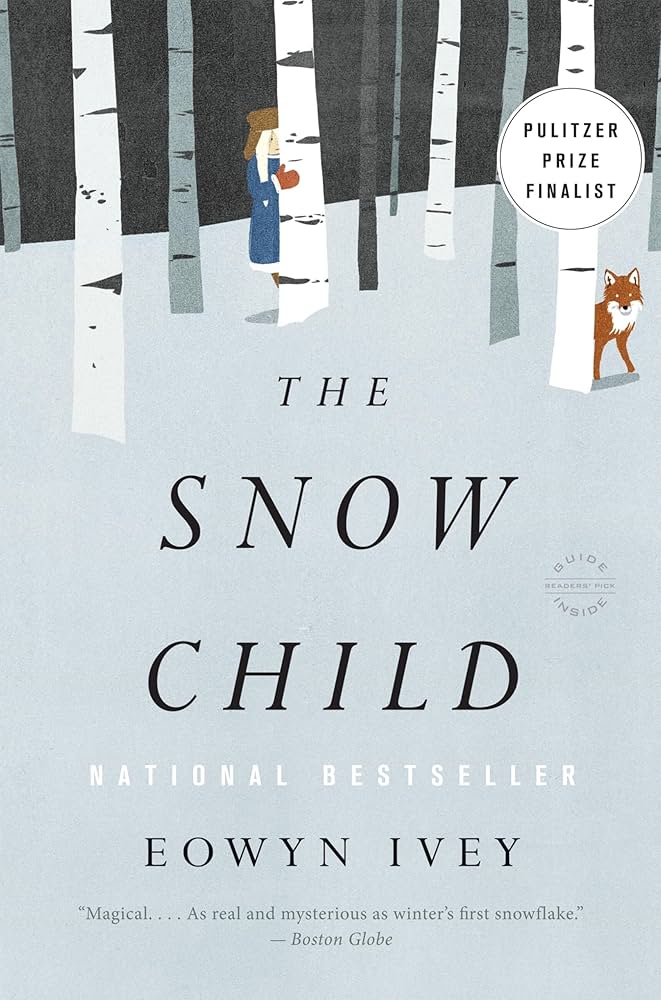
The Snow Child by Eowyn Ivey
Genre: Literary Fiction with Magical Realism
Atmosphere: Dreamy & Lyrical
Set in 1920s Alaska, this is the story of Mabel and Jack, a childless couple homesteading in the wilderness, carrying quiet grief. When they build a child out of snow one evening, a mysterious girl appears at the edge of their property. It’s part fairy tale, part meditation on longing and loss, wrapped in the most achingly beautiful winter landscape you can imagine.
Why this works when you’re melancholy:
This book has the exact dreamy, lyrical quality that matches a contemplative mood perfectly. The Alaskan setting creates this hushed, snow-muffled atmosphere—everything feels distant and close at once. Ivey writes about sadness and hope existing side by side without forcing resolution. It’s tender and bittersweet, like watching snowfall through a window.
The magical realism element gives you just enough wonder to make the sadness bearable, but it never dismisses the very real grief at the heart of the story. It’s the literary equivalent of a soft blanket on a gray afternoon—comforting in its melancholy rather than despite it.
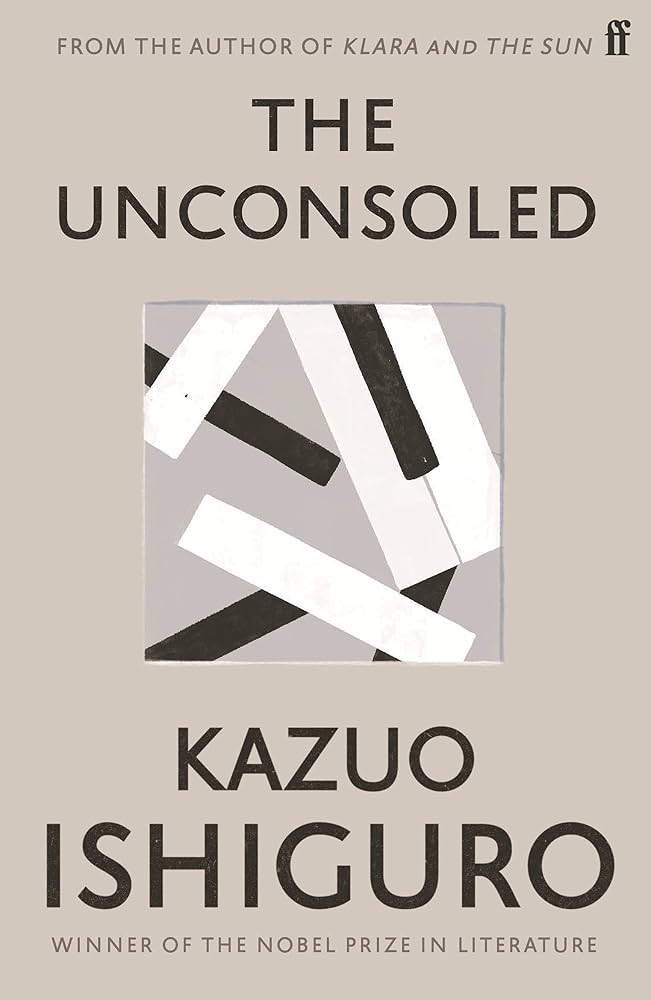
The Unconsoled by Kazuo Ishiguro
Genre: Literary Fiction
Atmosphere: Dreamy & Lyrical (with an edge)
This dreamlike novel follows a pianist arriving in a European city for a performance, but nothing quite makes sense—time shifts, places blur, people expect things from him he doesn’t remember agreeing to. It’s Ishiguro at his most surreal and atmospheric, creating this fog of confusion and melancholy that somehow feels deeply familiar.
Why this works when you’re melancholy:
If melancholy feels like moving through the world slightly disconnected, this is the book for you. Ishiguro captures that floaty, disoriented feeling of being sad—where everything seems significant and meaningless at once. It’s intimate in the strangest way, like reading someone’s anxiety dream, but the prose is so beautiful and the emotions so real that you’ll recognize yourself in the protagonist’s quiet desperation.
It won’t cheer you up, but it will make you feel profoundly seen. Fair warning: it’s long and deliberately disorienting, but if you’re in that contemplative headspace, it’s absolutely mesmerizing. This is the book you read when you want to explore the architecture of sadness itself.
The Permission to Feel Sad
Here’s what I want you to know: choosing to read into your melancholy rather than away from it isn’t wallowing. It’s wisdom.
These books don’t try to solve anything. They don’t offer neat conclusions or happy endings tied with bows. What they offer is something more valuable: recognition. They say, “Yes, this feeling is real and worthy of attention. Let’s sit with it for a while.”
Sometimes that’s exactly the medicine we need. Not escape, not distraction, but companionship in the quiet spaces.
Finding Your Perfect Melancholy Read
Of course, melancholy comes in many shades. Maybe yours is more nostalgic than sad. Maybe it’s existential rather than personal. Maybe you want poetry instead of prose, or something shorter than Ishiguro’s 500+ pages.
That’s where we come in.
At Recommendable Club, we believe book recommendations should feel like a conversation with someone who really gets you—not an algorithm telling you what “readers like you” bought. We ask about your mood, your time, your current state of mind, and we find books that meet you exactly where you are.
[Find Your Next Read →]
Because you deserve a book that understands you’re not looking to be fixed. Just understood.
What’s your relationship with melancholy reading? Do you read into sadness or away from it? Drop a comment below—I’d love to hear your perspective. And if you have a favorite book that honors melancholy beautifully, share it with our community!
About Recommendable Club
We’re here to bring back the magic of that perfect bookstore conversation—you know, the one where someone actually listens to how you’re feeling and finds exactly the right book. No algorithms, no “customers who bought this also bought.” Just thoughtful, personalized recommendations based on your current mood and what you need from a book right now.
[Start Your Book Discovery Journey →]
Leave a Reply